- Whatsapp: +8618013656888
- Email: [email protected]

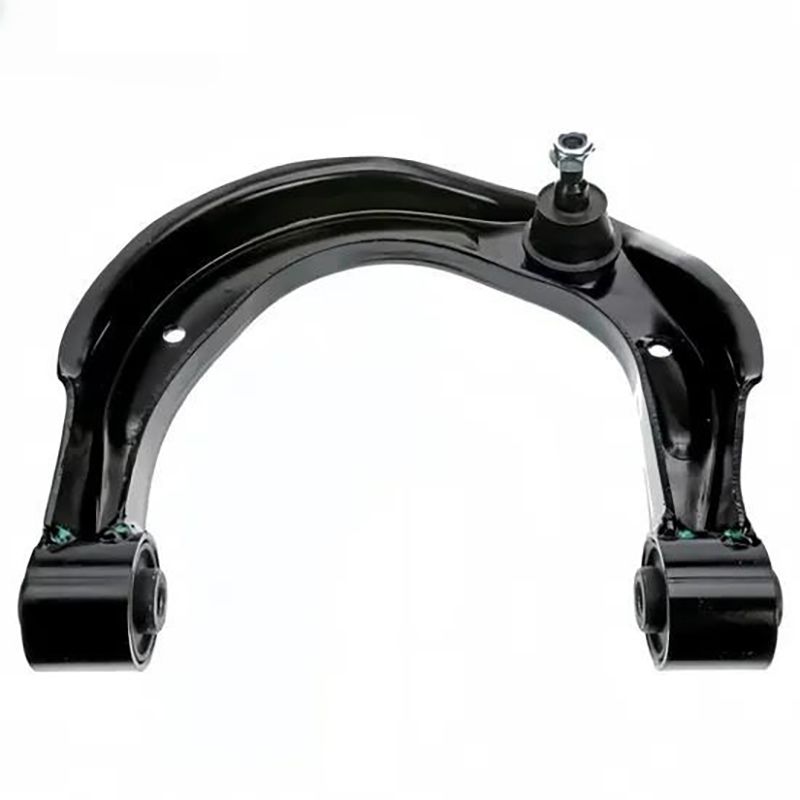
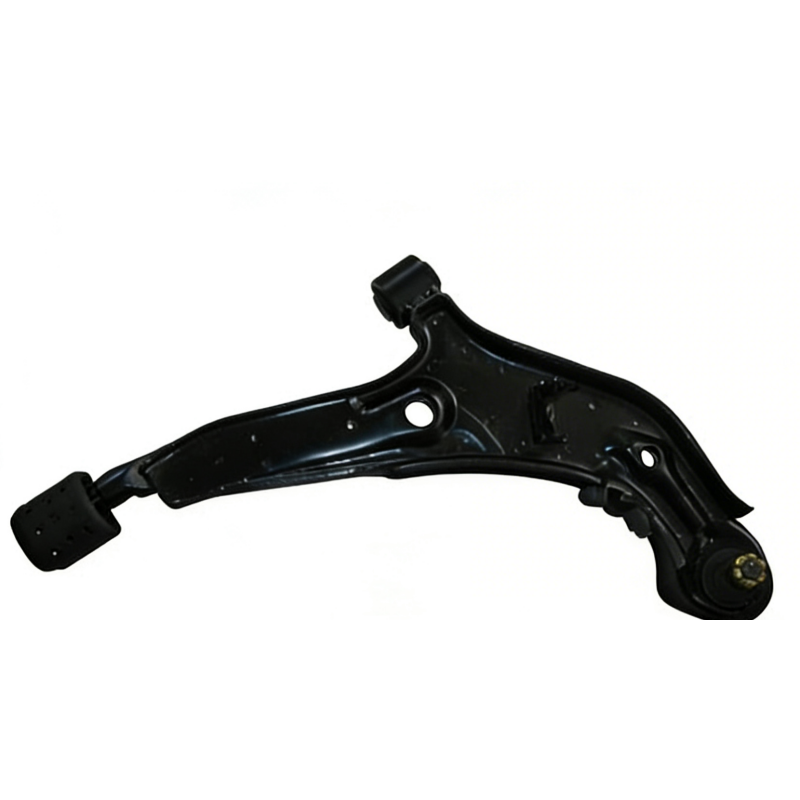
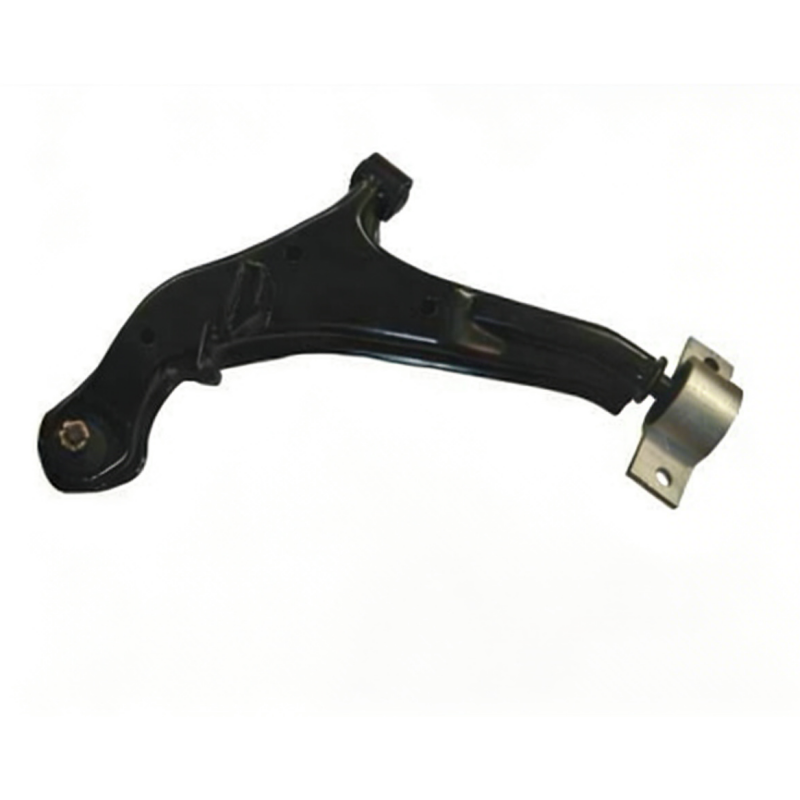
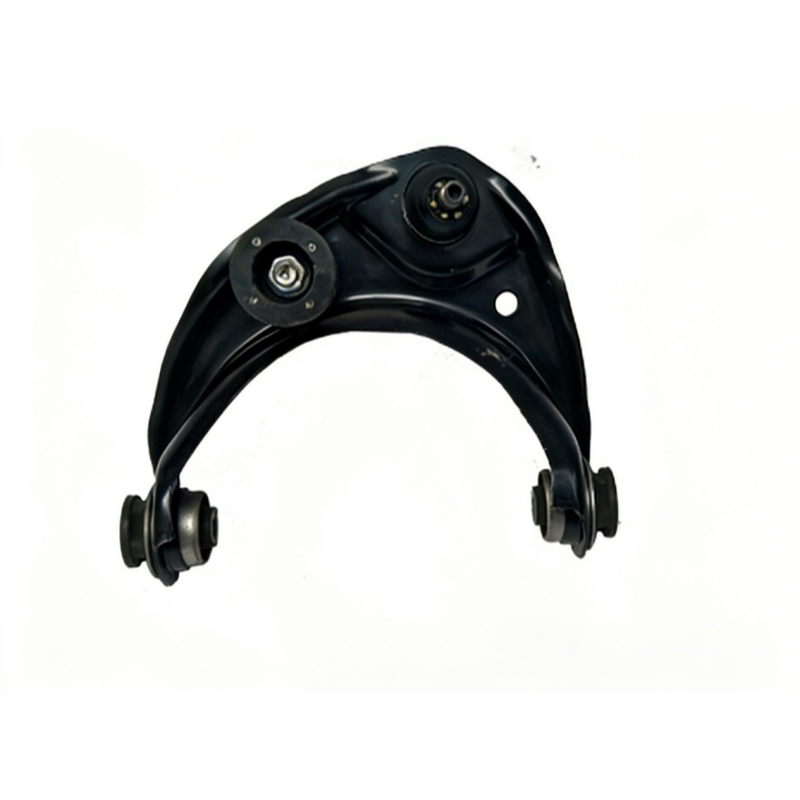
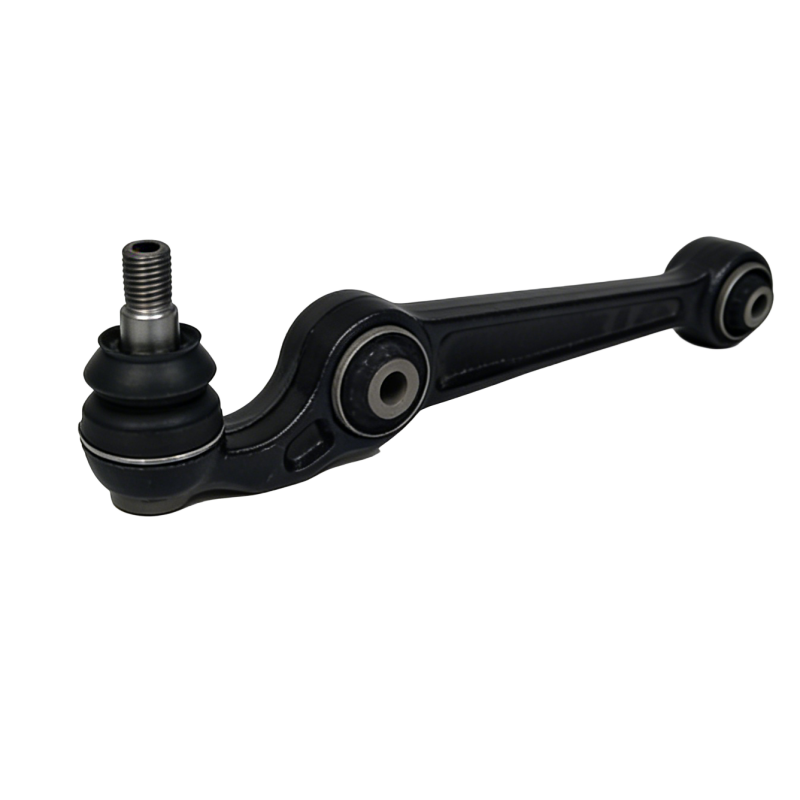
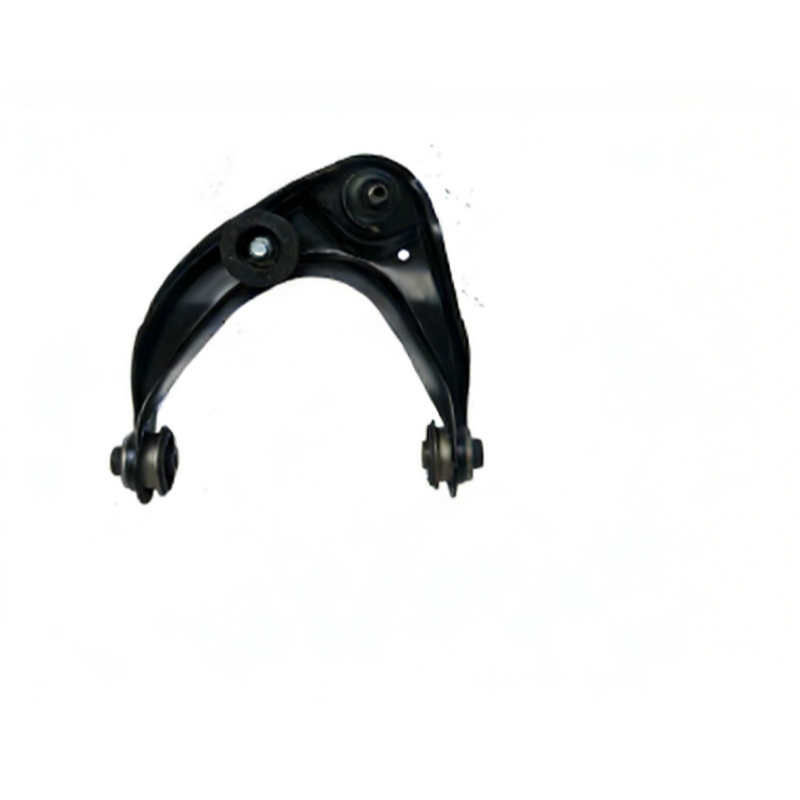
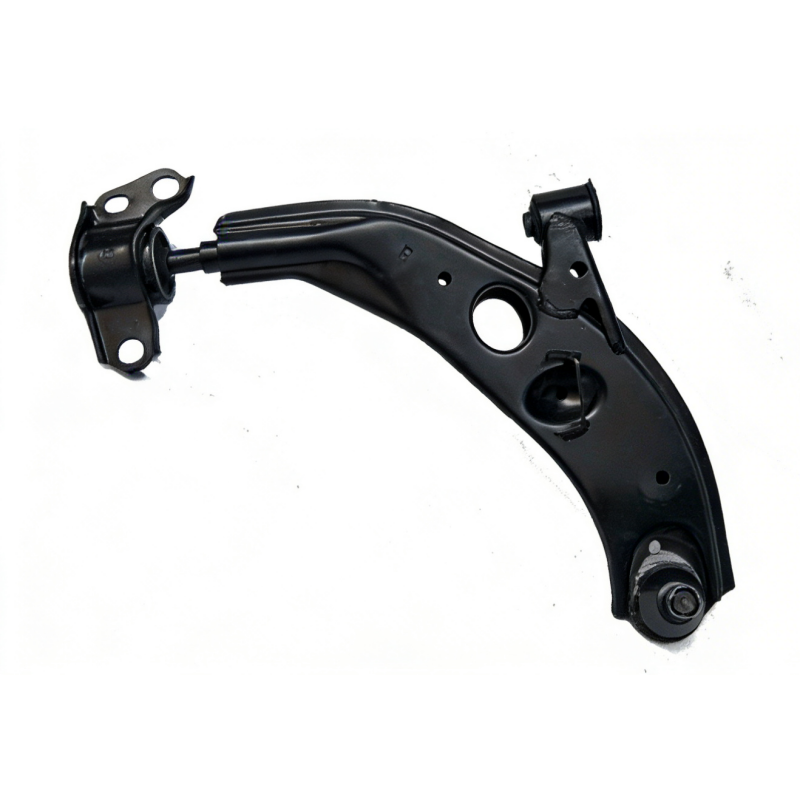
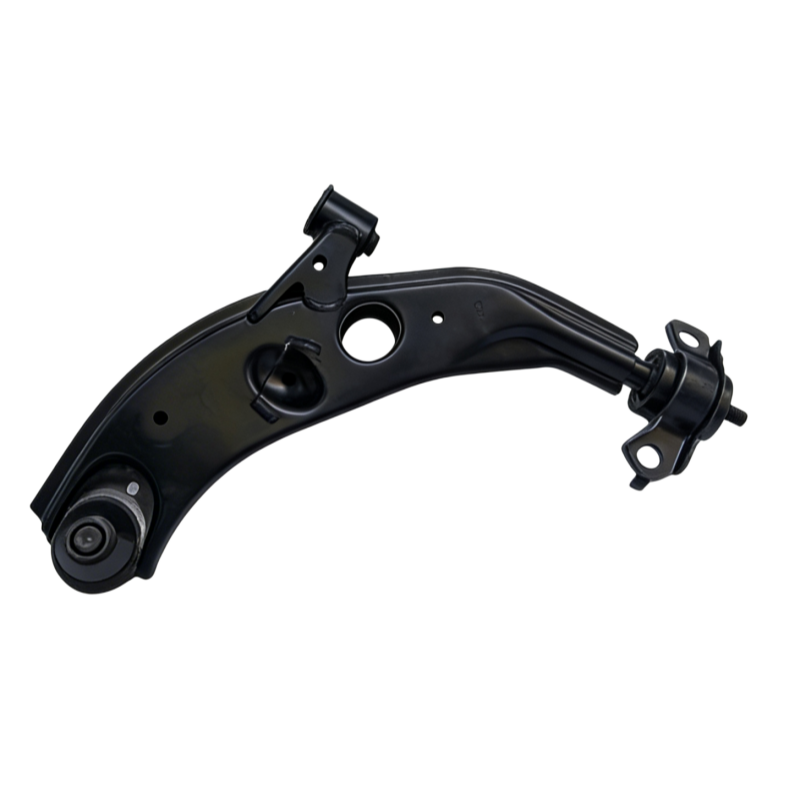
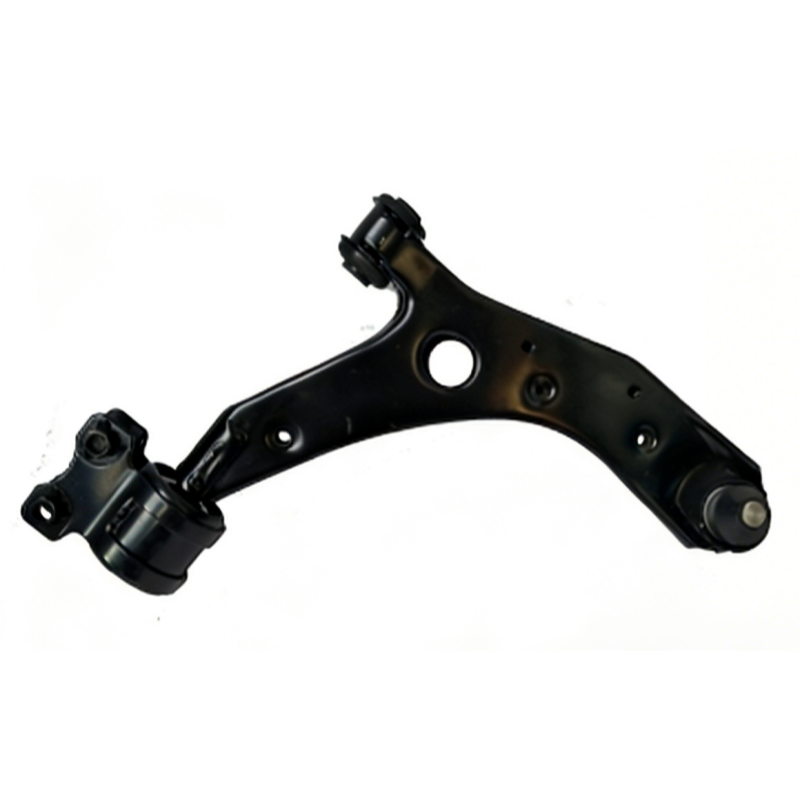
The control arm (also known as the A-arm) is the core load-bearing component of the vehicle’s chassis suspension system, connecting the frame to the wheel suspension knuckle. Its function is to guide the wheels, transmit loads, and buffer road impact, control the vertical travel and positioning parameters (toe-in/camber) of the wheels, directly affecting the vehicle’s handling stability and ride comfort, and is widely compatible with sedans, SUVs and other multi-brand models.
| Item | Specification/Details |
| Warranty Period | 12 months or 100,000 km (whichever comes first) |
| Payment Terms | T/T, PayPal, Western Union |
| Port of Loading | Ningbo Port or Shanghai Port |
| Lead Time | 7-15 working days after deposit |
| Packing | 50 pcs per carton with foam |
| Shipping Method | By sea / air / express (DHL/FedEx/UPS) |
| Sample Policy | Free samples, buyer pays freight |
| After-Sales Support | Technical support & replacement for defective items |
| MOQ | 30 |
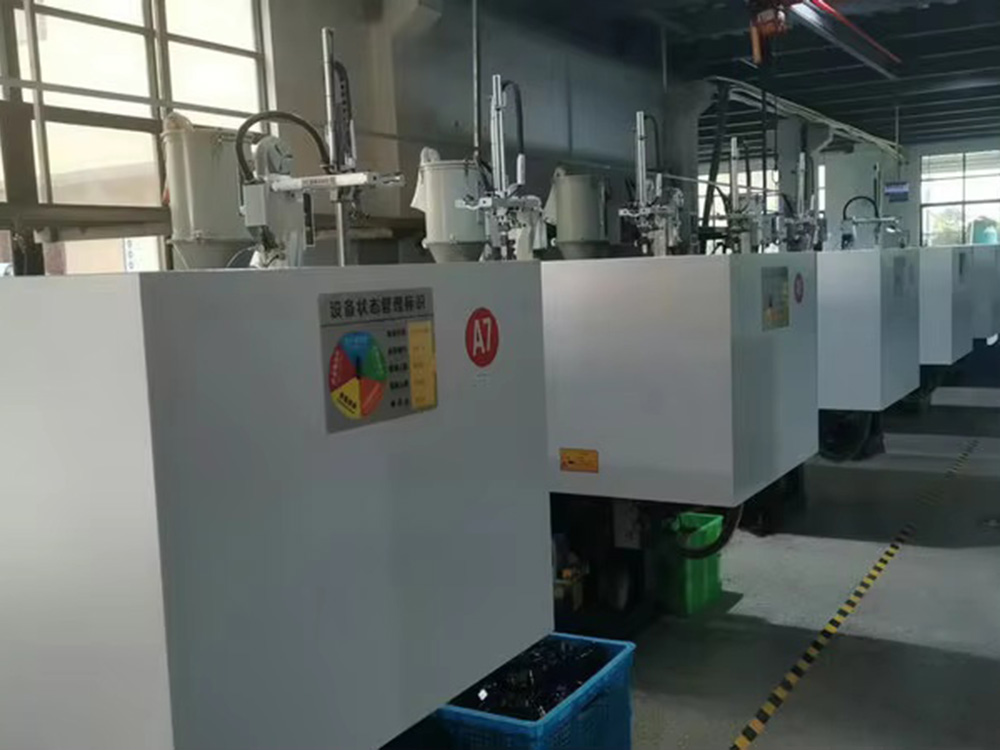
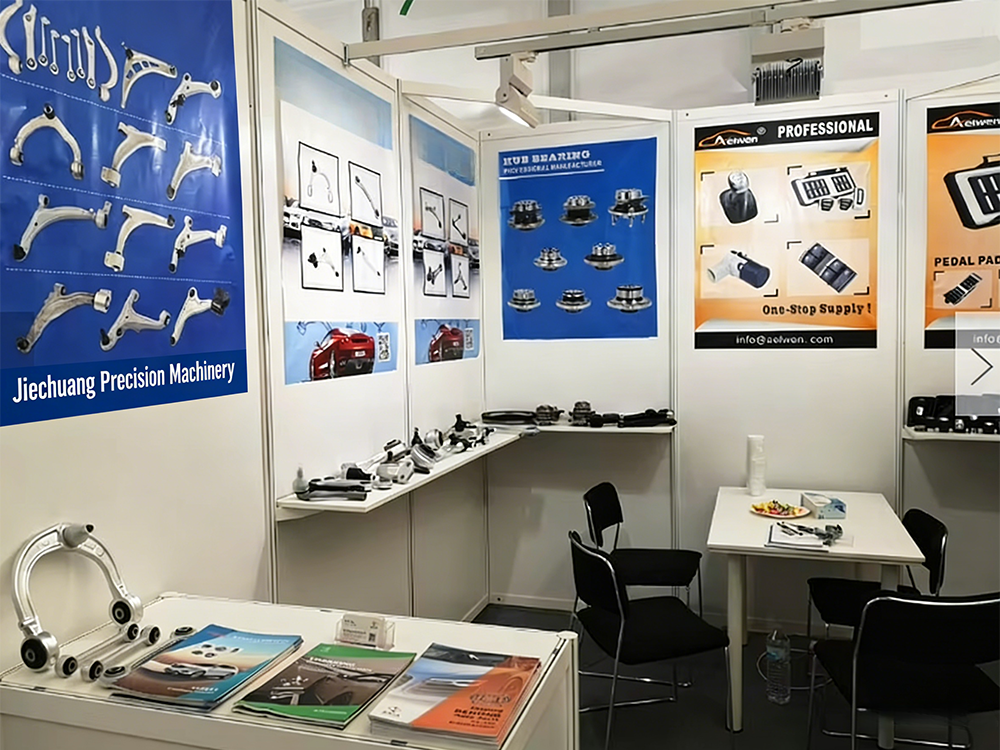
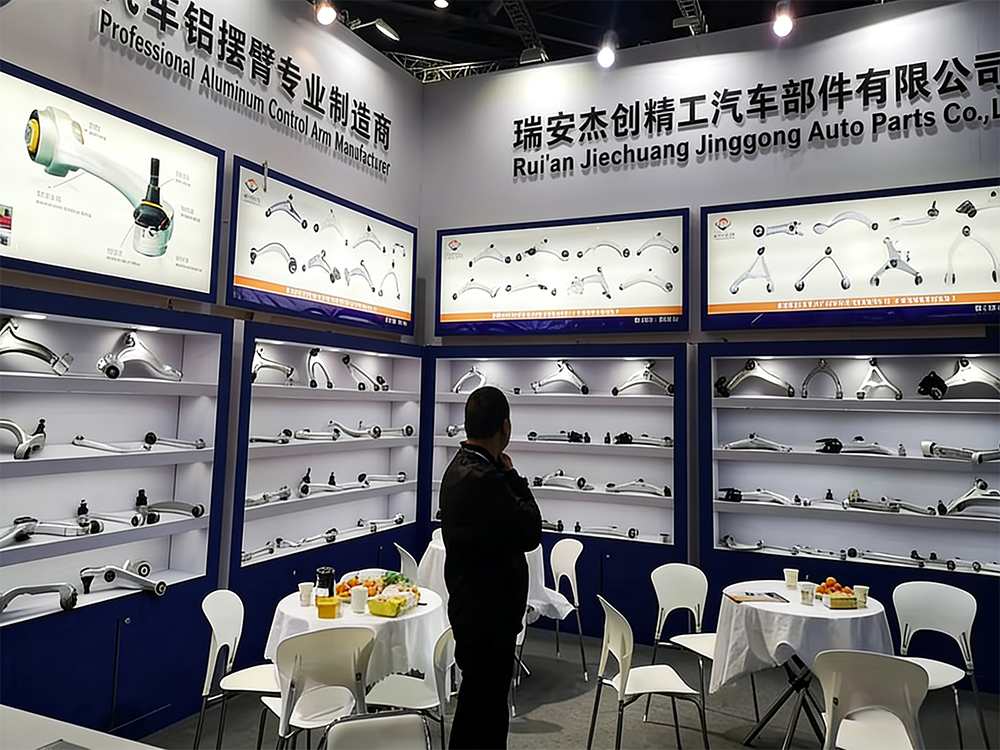

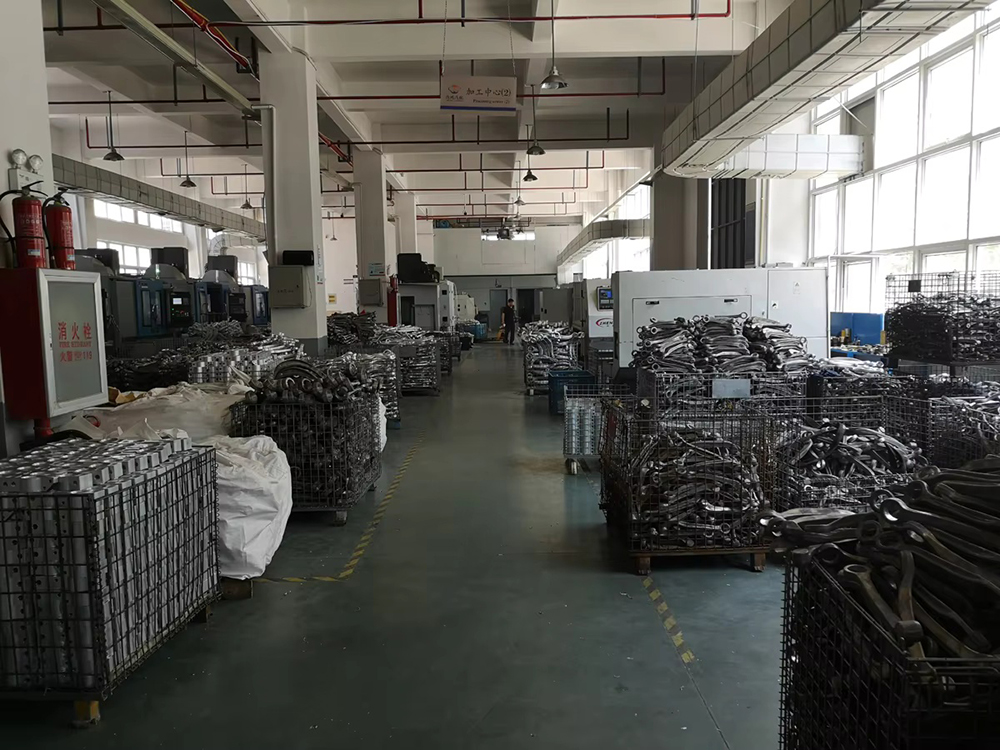
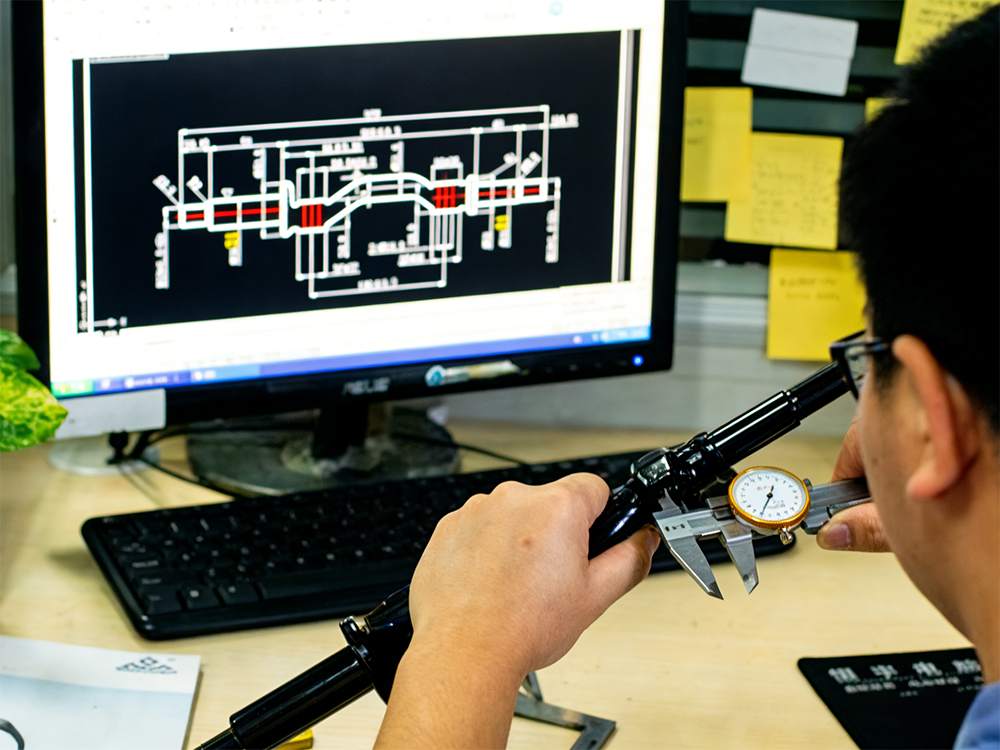
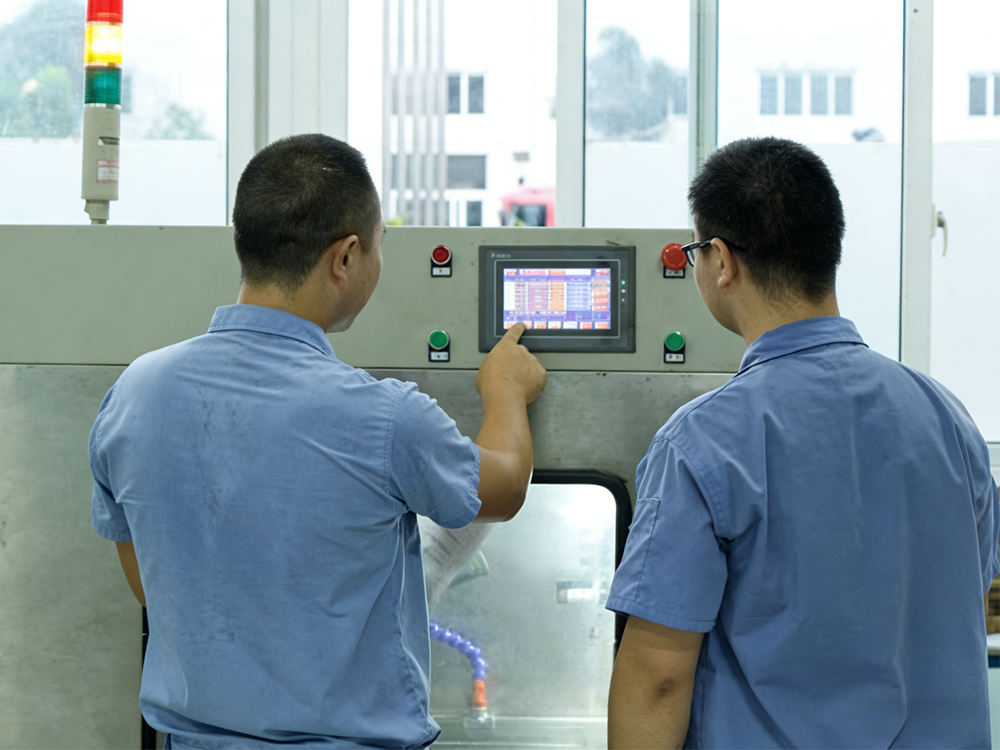
A control arm is a key component of a vehicle’s suspension system that connects the chassis to the wheel hub. It plays a crucial role in maintaining wheel alignment, absorbing road impacts, and ensuring stable handling during driving. High-quality control arms are essential for vehicle safety, comfort, and overall driving performance.
A control arm is a hinged suspension link that allows controlled vertical movement of the wheels while keeping them properly aligned with the vehicle body. It works together with other suspension parts such as ball joints, bushings, and shock absorbers.
Most vehicles use one of the following types:
Upper control arm
Lower control arm
Front control arm
Rear control arm
Lateral control arm (in multi-link suspension systems)
Wheel Positioning
Maintains correct wheel alignment during acceleration, braking, and turning.
Shock Absorption Support
Works with suspension components to reduce vibration and road impact.
Improved Driving Stability
Ensures stable handling and better steering response, especially at higher speeds.
Suspension Flexibility
Allows controlled movement of the wheels while keeping the vehicle body stable.
A typical control arm system includes:
Arm body (steel or aluminum)
Rubber or polyurethane bushings
Ball joint (connecting wheel hub)
Mounting points for chassis connection
These components work together to ensure smooth suspension movement and durability.
Stamped Steel Control Arm
Common in standard passenger vehicles; cost-effective and durable.
Forged Aluminum Control Arm
Lighter in weight, commonly used in performance and luxury vehicles.
Multi-Link Control Arm
Used in advanced suspension systems for improved handling and comfort.
A worn or damaged control arm may cause:
Clunking or knocking noises
Uneven tire wear
Steering vibration or instability
Poor wheel alignment
Vehicle pulling to one side
Loose or unstable handling
If these symptoms appear, inspection and replacement are recommended for safety.
Improved Safety
Ensures stable wheel control and reduces driving risks.
Enhanced Comfort
Reduces vibration and improves ride smoothness.
Durable Construction
Built with strong materials and wear-resistant bushings for long service life.
Better Handling Performance
Provides accurate steering response and vehicle stability.
Control arms are widely used in:
Passenger cars
SUVs and pickup trucks
Commercial vehicles
Performance and racing vehicles
OEM manufacturing and aftermarket repair markets
They are essential components in almost all modern independent suspension systems.
Control arms are long-life components, but bushings and ball joints may wear out over time. Regular inspection is recommended if:
Vehicle mileage is high
Driving on rough roads frequently
Suspension noise appears
Steering feels unstable
Replacing a worn control arm restores proper suspension performance and driving safety.
Modern control arm development is moving toward:
Lightweight aluminum and composite materials
Improved corrosion resistance
Enhanced durability bushings
Integration with advanced suspension systems
Optimized designs for electric vehicles
These improvements aim to increase efficiency, comfort, and performance.
A control arm is a fundamental suspension component that ensures vehicle stability, safety, and comfort. High-quality control arms provide precise wheel control, reduce vibration, and enhance driving performance. Whether for OEM production or aftermarket replacement, choosing reliable suspension components is essential for long-term vehicle safety and performance.
What does a control arm do?
It connects the wheel hub to the vehicle chassis and controls wheel movement in the suspension system.
What are the symptoms of a bad control arm?
Common signs include noise, vibration, uneven tire wear, and unstable steering.
Can you drive with a bad control arm?
It is not recommended, as it can affect vehicle safety and handling.
How long does a control arm last?
Typically 80,000–150,000 km depending on driving conditions and road quality.
Is replacing a control arm necessary or just the bushing?
In many cases, the bushings or ball joints can wear out, but sometimes the entire control arm must be replaced for safety.

WEBSITE&JIECHUANG
Privacy Policy | SiteMap
Copyright Ruian Jiechuang Precision Engineering Automobile Parts Co., Ltd