- Whatsapp: +8618013656888
- Email: [email protected]


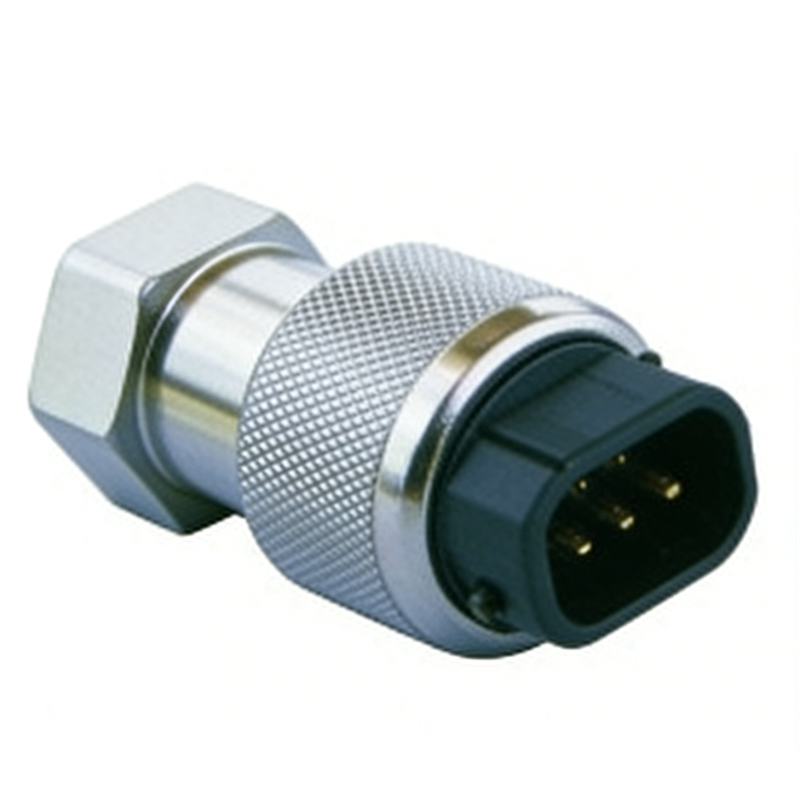
The vehicle speed sensor series is used to monitor the vehicle’s driving speed, wheel speed or engine speed in real time, and is the core data source for systems such as ABS, ESP, and the dashboard. The mainstream types include Hall effect type, electromagnetic induction type, and variable reluctance type, which can withstand extreme working conditions of -40℃~300℃, are compatible with passenger cars, commercial vehicles and industrial equipment, and have strong anti-interference ability.
| Item | Specification/Details |
| Warranty Period | 12 months or 100,000 km (whichever comes first) |
| Payment Terms | T/T, PayPal, Western Union |
| Port of Loading | Ningbo Port or Shanghai Port |
| Lead Time | 7-15 working days after deposit |
| Packing | 50 pcs per carton with foam |
| Shipping Method | By sea / air / express (DHL/FedEx/UPS) |
| Sample Policy | Free samples, buyer pays freight |
| After-Sales Support | Technical support & replacement for defective items |
| MOQ | 30 |


A Vehicle Speed Sensor (VSS) series refers to a range of automotive sensors designed to measure and transmit real-time vehicle speed data to the engine control unit (ECU) and other onboard systems. This information is essential for engine performance, transmission control, speedometer accuracy, fuel efficiency, and overall driving safety.
As modern vehicles become increasingly electronic, high-precision speed sensors play a critical role in ensuring smooth and intelligent vehicle operation.
A vehicle speed sensor is an electronic device that detects the rotational speed of the transmission or wheel system and converts it into an electrical signal. This signal is then sent to the ECU, which uses the data to control various vehicle functions.
Depending on the vehicle design, speed sensors may be installed on:
Transmission output shaft
Wheel hub (ABS-based speed sensing)
Differential assembly
Engine or drivetrain system
Speed Measurement
Provides real-time data on vehicle speed for the dashboard speedometer.
Transmission Control
Helps automatic transmission systems shift gears at the correct timing for smooth driving.
Engine Performance Optimization
Assists the ECU in adjusting fuel injection, ignition timing, and engine load.
ABS and Stability Systems Support
Works with ABS, ESC, and traction control systems to improve driving safety.
Cruise Control Function
Ensures stable speed feedback for accurate cruise control operation.
Hall Effect Speed Sensor
Uses magnetic fields to detect rotational speed; widely used in modern vehicles.
Magnetic Induction Sensor
Generates signals based on changes in magnetic flux during rotation.
Optical Speed Sensor
Uses light signals for high-precision speed detection (less common in automotive use).
Wheel Speed Sensor (ABS Sensor)
Installed near wheels to monitor individual wheel speed for braking systems.
A damaged or failing vehicle speed sensor may cause:
Speedometer not working or fluctuating
Harsh or incorrect gear shifting
ABS warning light on dashboard
Cruise control malfunction
Poor fuel efficiency
Engine stalling or unstable idle
Replacing a faulty sensor restores accurate data transmission and normal vehicle performance.
High Precision Measurement
Ensures accurate real-time speed data for multiple vehicle systems.
Stable Signal Output
Provides reliable communication with ECU and electronic modules.
Durable Construction
Designed to withstand heat, vibration, oil exposure, and harsh driving conditions.
Improved Driving Safety
Supports ABS, traction control, and stability systems for safer driving.
Vehicle speed sensors are widely used in:
Passenger cars
SUVs and light trucks
Commercial vehicles
Electric and hybrid vehicles
OEM manufacturing and aftermarket replacement markets
They are essential components in modern electronic control systems.
Speed sensors are generally low-maintenance components, but they may fail due to:
Wear and tear over time
Oil or dirt contamination
Electrical wiring damage
Magnetic interference
Regular inspection is recommended if dashboard warning lights or abnormal driving behavior occurs.
Modern speed sensor technology is evolving toward:
Higher precision digital signal output
Integration with advanced driver assistance systems (ADAS)
Improved electromagnetic resistance
Compact and lightweight designs
Compatibility with electric vehicle platforms
These advancements support smarter and more efficient vehicle control systems.
A Vehicle Speed Sensor series is a critical part of modern automotive electronics, ensuring accurate speed measurement and stable vehicle performance. High-quality speed sensors support engine control, transmission shifting, and safety systems, making them essential for both traditional and electric vehicles. Choosing reliable sensors ensures improved driving safety, efficiency, and long-term vehicle stability.
What does a vehicle speed sensor do?
It measures vehicle speed and sends data to the ECU and dashboard systems.
What happens if the speed sensor fails?
It may cause speedometer errors, transmission issues, and ABS warning lights.
Can a bad speed sensor affect transmission?
Yes. It can lead to incorrect gear shifting or harsh transmission behavior.
Where is the speed sensor located?
It can be in the transmission, wheel hub, or differential depending on vehicle design.
Is replacing a speed sensor difficult?
Most sensors are relatively easy to replace, but location and vehicle model may affect installation difficulty.

WEBSITE&JIECHUANG;
Privacy Policy | SiteMap
Copyright Ruian Jiechuang Precision Engineering Automobile Parts Co., Ltd